Environment

Four Leaf Clover Hawaii
Culture, Environment, News, Oʻahu, O‘ahu Arts + Culture, The Latest

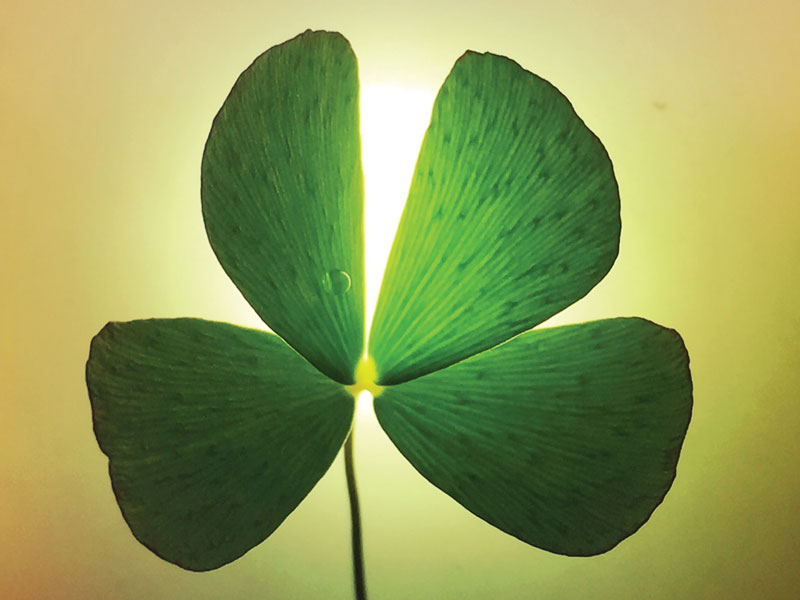
Did You Know Hawaiʻi Has Its Own Four-Leaf Clover?

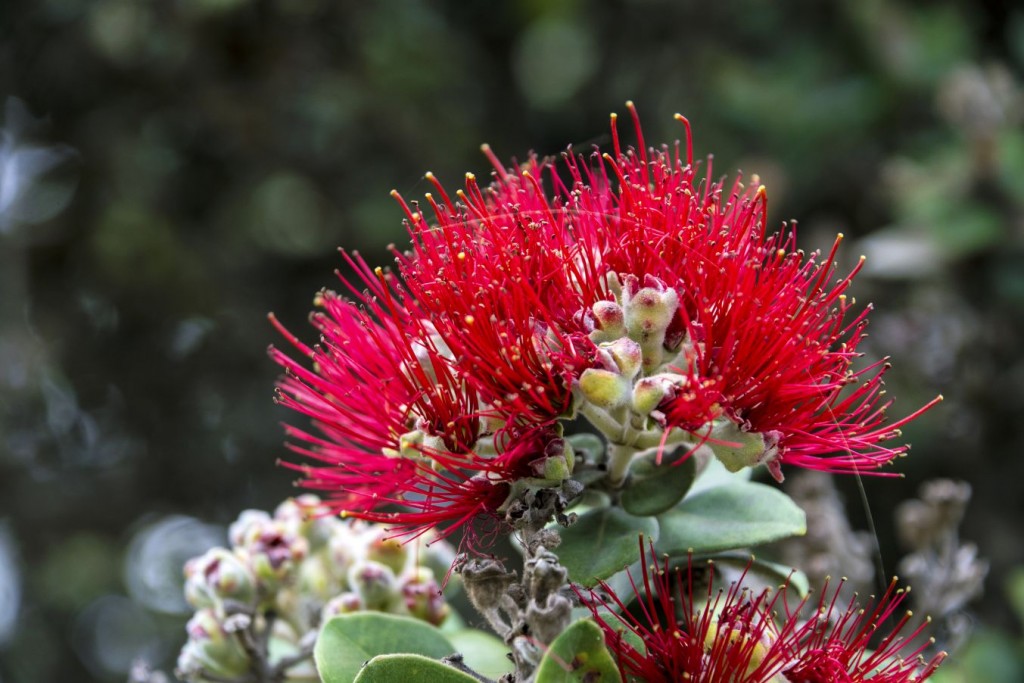
Four-leaf clovers are a symbol of good luck and ubiquitous with St. Patrick’s Day, celebrated on March 17. And while the holiday is the feast day of St. Patrick, the patron saint of Ireland, some 7,000 miles away from Hawaiʻi, the Islands boast its own version of the lucky plant. The ʻihiʻihilauakea (Marsilea villosa) is a rare, endangered

nene-threatened
Environment, News

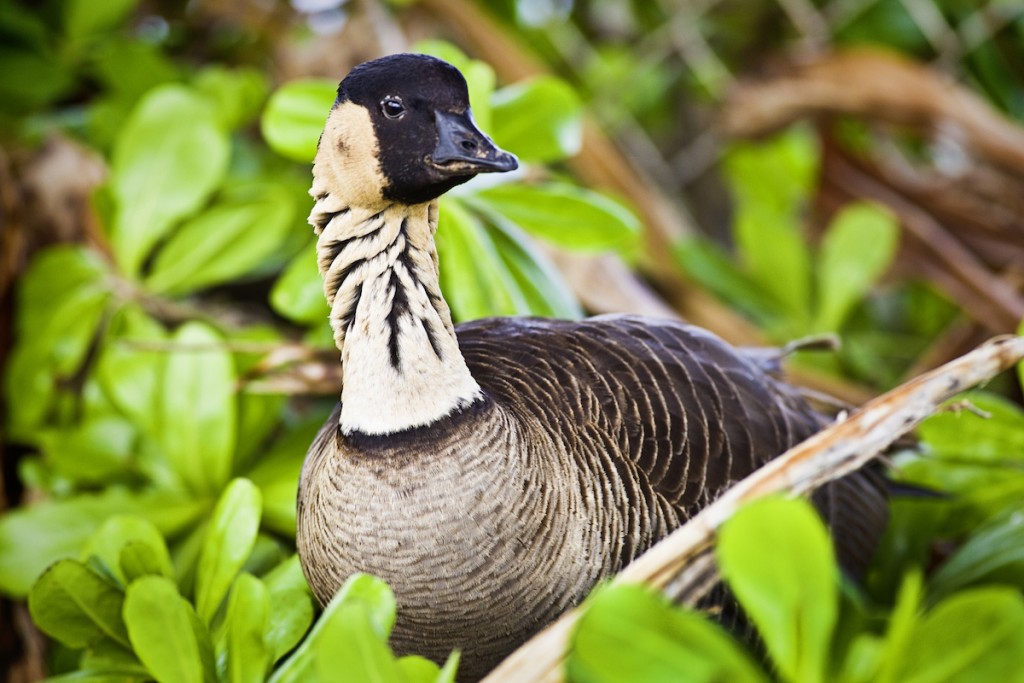
Hawaii’s State Bird No Longer Endangered

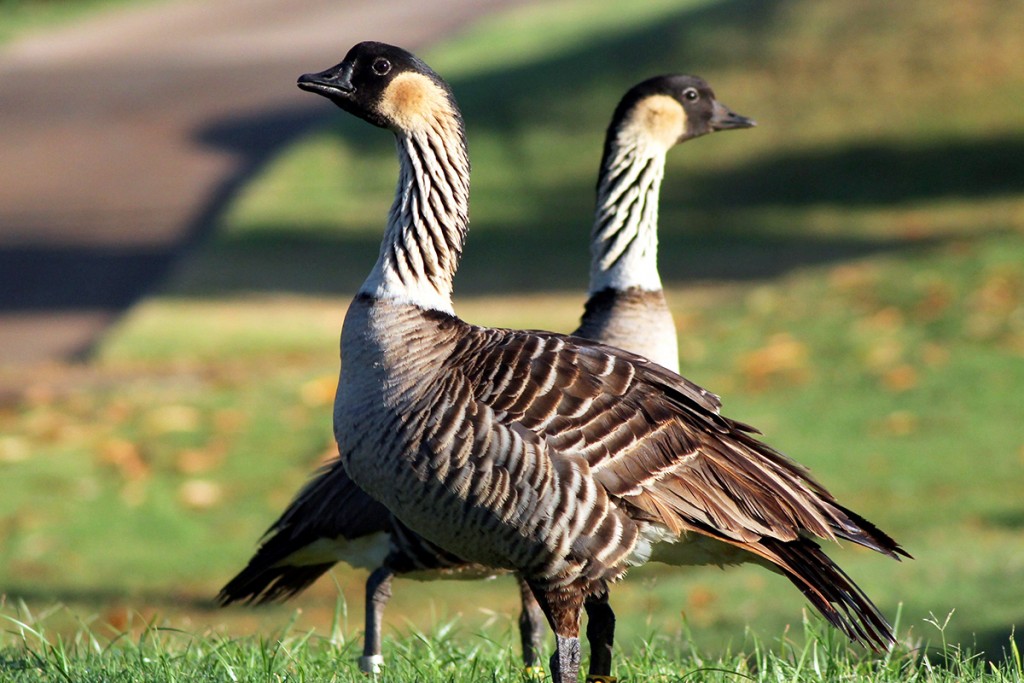
Good news for the nene, or Hawaiian goose: It is no longer on the brink of extinction. In a ceremony at Honouliuli National Historic Site on Oahu on Sunday, state officials and U.S. Secretary of the Interior David Bernhardt announced that the official state bird of Hawaii is now considered a threatened species under the

volunteer-whale count
Activities, Environment, Family, What To Do

5 Ways to Volunteer in Hawaii

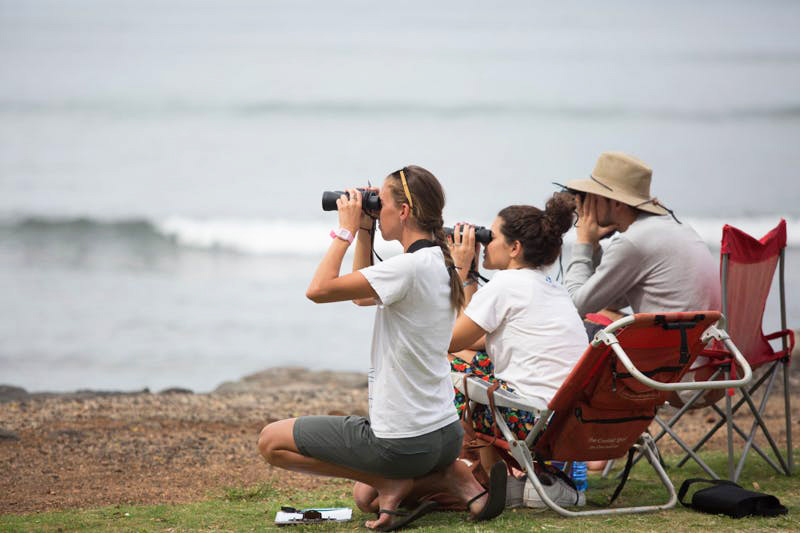
Whether you want to spend a morning, afternoon or full day doing something good, these five volunteer opportunities not only help Hawaii but can also enrich your vacation. 1. Clean the coastlines, various islands   View this post on Instagram   A post shared by Surfrider Oʻahu Chapter (@surfrideroahu) If you’re looking for a beach

nene-kauai-randimal-GettyImages-162720227
Culture, Environment, First-Time

7 Fun Facts About the Nene, or Hawaiian Goose

Perhaps you’ve seen the friendly, distinctively-colored nene (pronounced “nay-nay”) at a park, wildlife refuge, ranch, golf course or zoo in Hawaii. But there’s more to these inquisitive birds than meets the eye. 1. The nene goose is descended from the Canadian goose. Photo: Getty Images 4. The Hawaiian name “nene” comes from the bird’s soft,

kokobotanical-plumeria
Activities, Environment, Family, Oʻahu, O‘ahu What To Do, Solo

A Quick Escape to Nature at Koko Crater Botanical Garden in East Honolulu

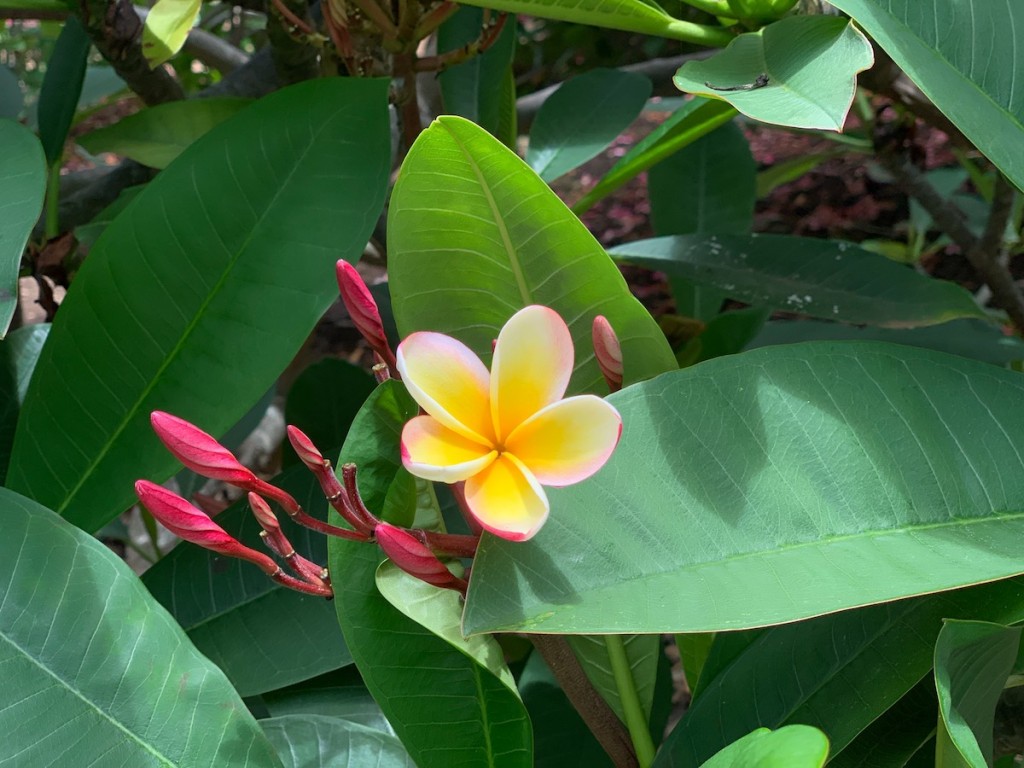
I don’t think I’ve ever been so dumbfounded by plumeria before. The trees grow abundantly all across the island, with blooms of various hues and petal shapes. They’re so plentiful, in fact, after the tree was introduced to Hawaii in the mid-1800s, the blooms were used frequently for funerals; you could always count on them

Scroll to Top