From ancient fishponds and lush rainforests to a beautiful tapestry of traditions and culture woven into our communities, Hawaiʻi is an extraordinary place.
This remote archipelago in the Pacific thrived as an independent kingdom for nearly a century before being overthrown by American and European businessmen. While the story of Hawaiʻi contains struggles and oppression, it is also filled with tales of triumph and connection among the communities that made the Islands home.
When we travel, we often hop on a plane to a picturesque destination to spend a week lounging on the beach. Sometimes we’re fleeing work or the stress of our daily lives, and for many of us, the thought of doing work while on vacation doesn’t cross our minds.
We sometimes forget that the places we travel to aren’t just vacation spots. Hawaiʻi—just like anywhere else—is home to both small and large communities, with their own history, culture and unique sets of needs and challenges.
When you develop deep respect for Hawaiʻi, you understand why it’s critical to protect our local communities, cultural traditions and incredible but fragile environments. By volunteering your time and talents with organizations in Hawaiʻi, you help ensure the Islands thrive for future generations while strengthening your connection to the people and places here.
These are just a few of the many organizations across the Islands that welcome you to mālama ʻāina.
Oʻahu
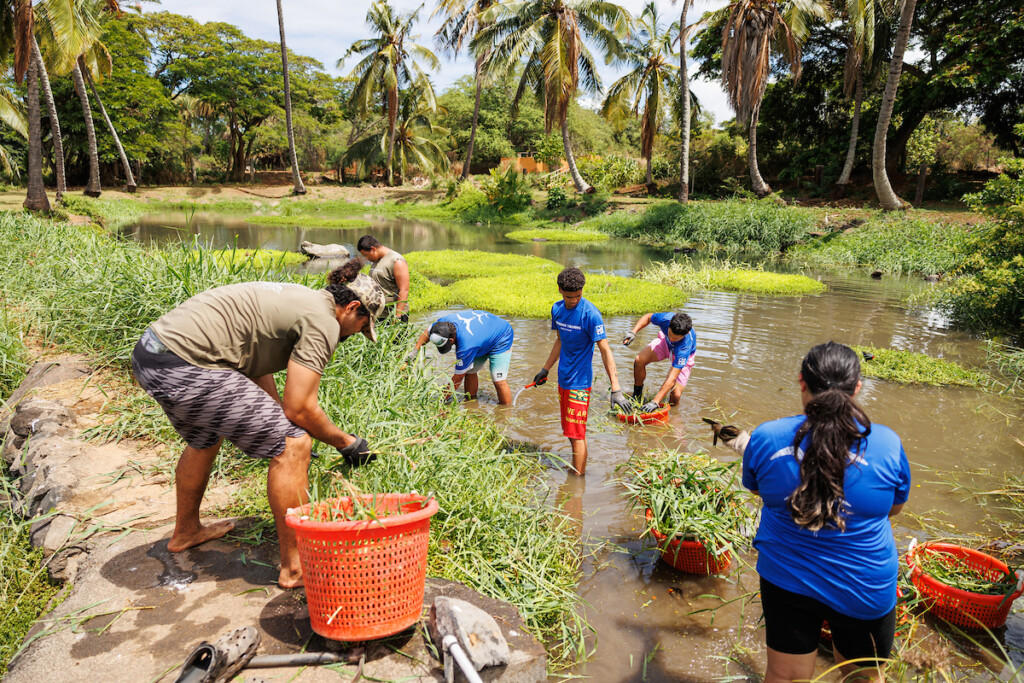
Photo: Aaron K. Yoshino
Mālama Loko Ea
On the North Shore of Oʻahu, Mālama Loko Ea is a nonprofit organization restoring ancient fishponds, which were a key part of the Native Hawaiian food system hundreds of years ago. Mālama Loko Ea hosts a community workday on the 3rd Saturday of each month, with locals and travelers working together to restore the land.
To learn more about volunteer opportunities, visit lokoea.org.
Mālama Maunalua
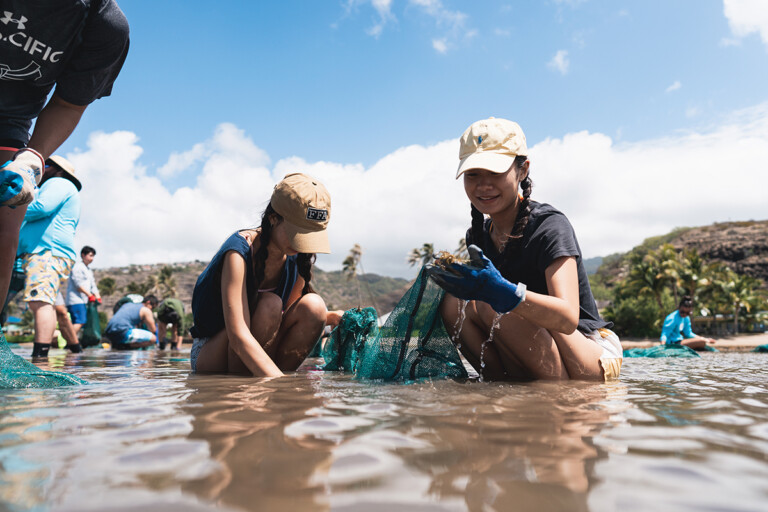
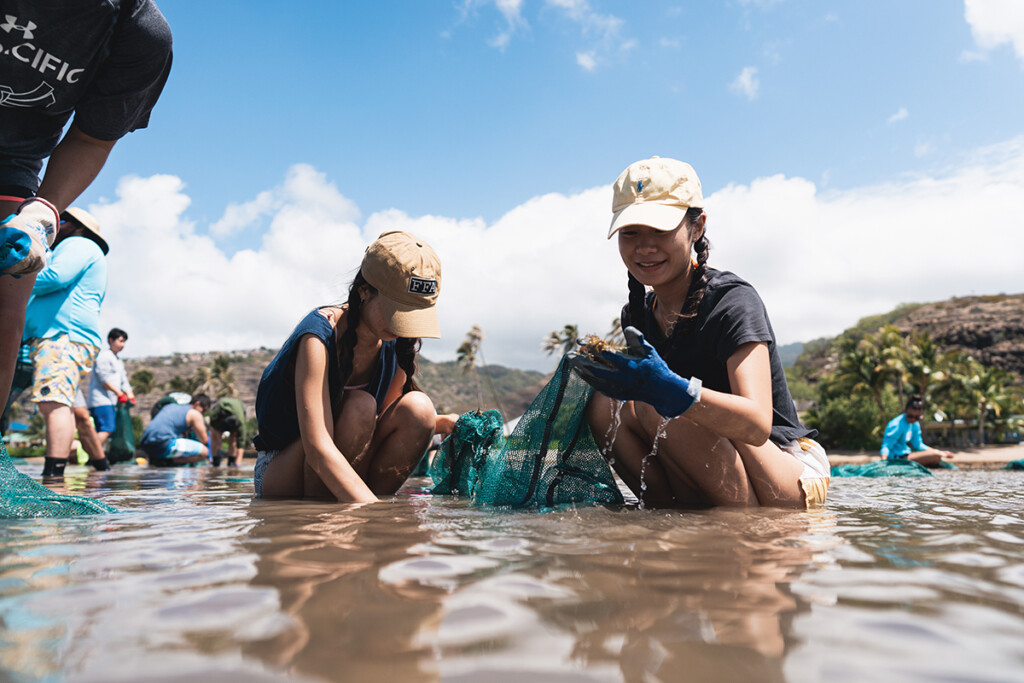
This nonprofit is committed to restoring the island’s marine ecosystems by removing invasive algae at Maunalua Bay. Since it was established in 2006, Mālama Maunalua has pulled 4 million pounds of invasive algae, significantly improving water quality in the bay.
To learn more about volunteer opportunities, visit malamamaunalua.org.
Maui
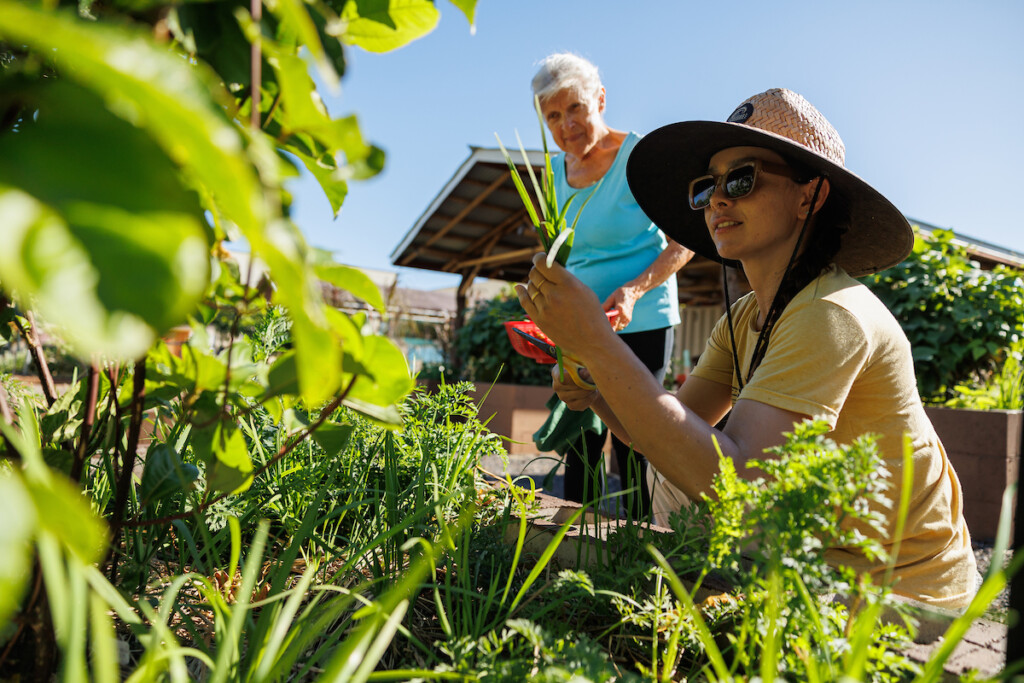
Photo: Aaron K. Yoshino
Grow Some Good
Since 2008, Grow Some Good has helped turn school gardens into living classrooms. Since it began, the organization has helped dozens of schools across Maui County. In 2019, Grow Some Good joined the Hawaiʻi Farm to School Hui, an education system under the Hawaiʻi Public Health Institute, which aims to provide ʻāina (land)-based education, increase access to local produce and enhance community health.
To learn more about volunteer opportunities, visit growsomegood.org.
Kipuka Olowalu
Like many sites and landmarks in Hawaiʻi, Olowalu Valley has an interesting history. Known for its reef and petroglyphs, historical accounts and cultural records indicate Olowalu was once a place of refuge for those seeking sanctuary. The team at Kipuka Olowalu welcomes volunteers to get their hands in the soil and learn about the area at the base of Mauna Kahālāwai.
To learn more about volunteer opportunities, visit kipukaolowalu.org.
Maui Sewing Hui
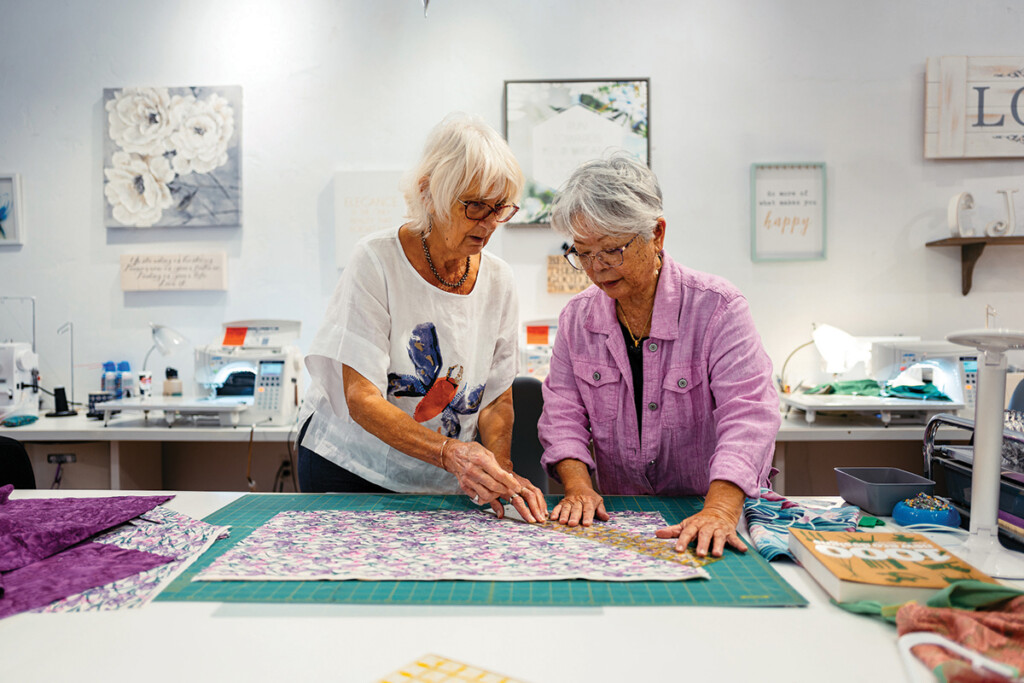
Photo: Aaron K. Yoshino
The Maui Sewing Hui welcomes volunteers to help with various projects for the community. Even those who don’t know how to sew can assist with other tasks like sorting materials and cutting fabric.
To learn more about volunteer opportunities, visit thesewinghui.com.
Kauaʻi
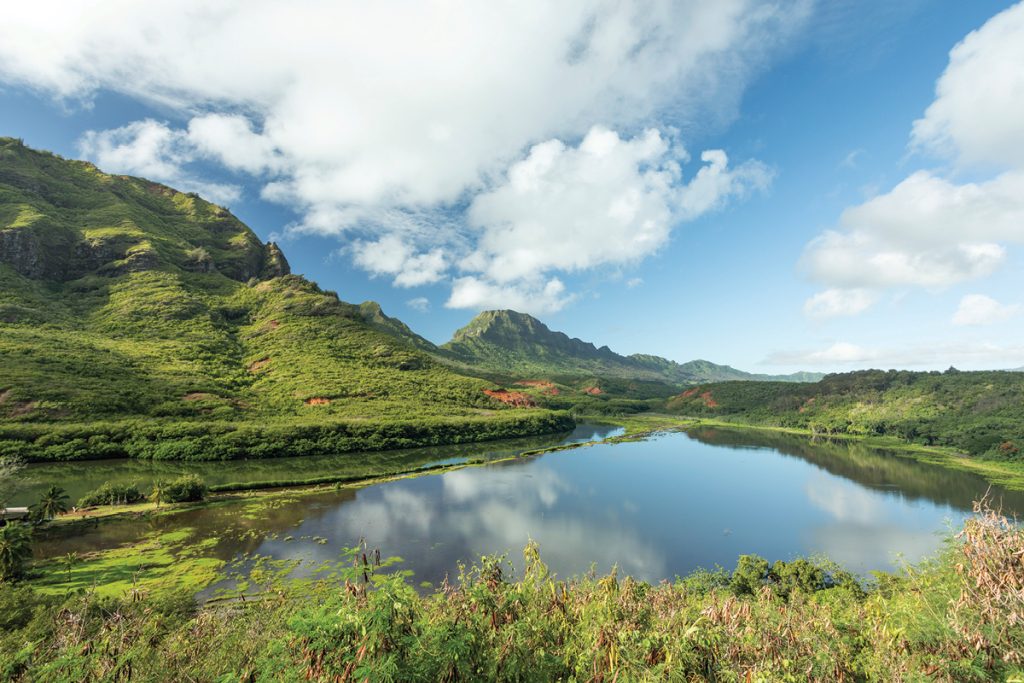
Photo: Courtesy of Trust for Public Land
Mālama Hulēʻia
Alakoko is a 600-year-old fishpond and is considered one of the most significant examples of aquaculture on Kauaʻi. Mālama Hulēʻia is restoring the fishpond and the Hulēʻia wetlands, by removing invasive species and educating thousands of volunteers. The organization hosts community workdays. Volunteers participate in conservation work while learning about the importance of the area.
To learn more about volunteer opportunities, visit malamahuleia.org.
Friends of Kamalani and Lydgate Park
Every Saturday morning the Friends of Kamalani and Lydgate Park meet at Morgan Ponds at Lydgate Beach to clean up the park and surrounding areas.
To learn more about volunteer opportunities, visit kamalanius.wordpress.com.
Waipā
The mission of Waipā is to restore the Waipā ahupuaʻa (land division), located along Hanalei Bay. Workdays are held on the 4th Saturday of each month.
To learn more about volunteer opportunities, visit waipafoundation.org.
Hawaiʻi Island
ʻĀina Hoʻōla Initiative
ʻĀina Hoʻōla Initiative restore the Lokowaka Pond complex, a traditional fishpond system in Hilo. Volunteers help remove invasive vegetation and plant native species, supporting critical habitat for endangered Hawaiian waterbirds, migratory species and other aquatic life.
To learn more about volunteer opportunities, visit ainahoola.org.
Waikōloa Dry Forest Initiative
By volunteering with Waikōloa Dry Forest Initiative, you help rehabilitate one of Hawaiʻi’s rarest native ecosystems. Volunteers work together to build trails, clear weeds, plant trees, collect seeds and propagate plants that will grow into future forests.
To learn more about volunteer opportunities, visit waikoloadryforest.org.
Grace Maeda is the editor of HAWAIʻI Magazine.